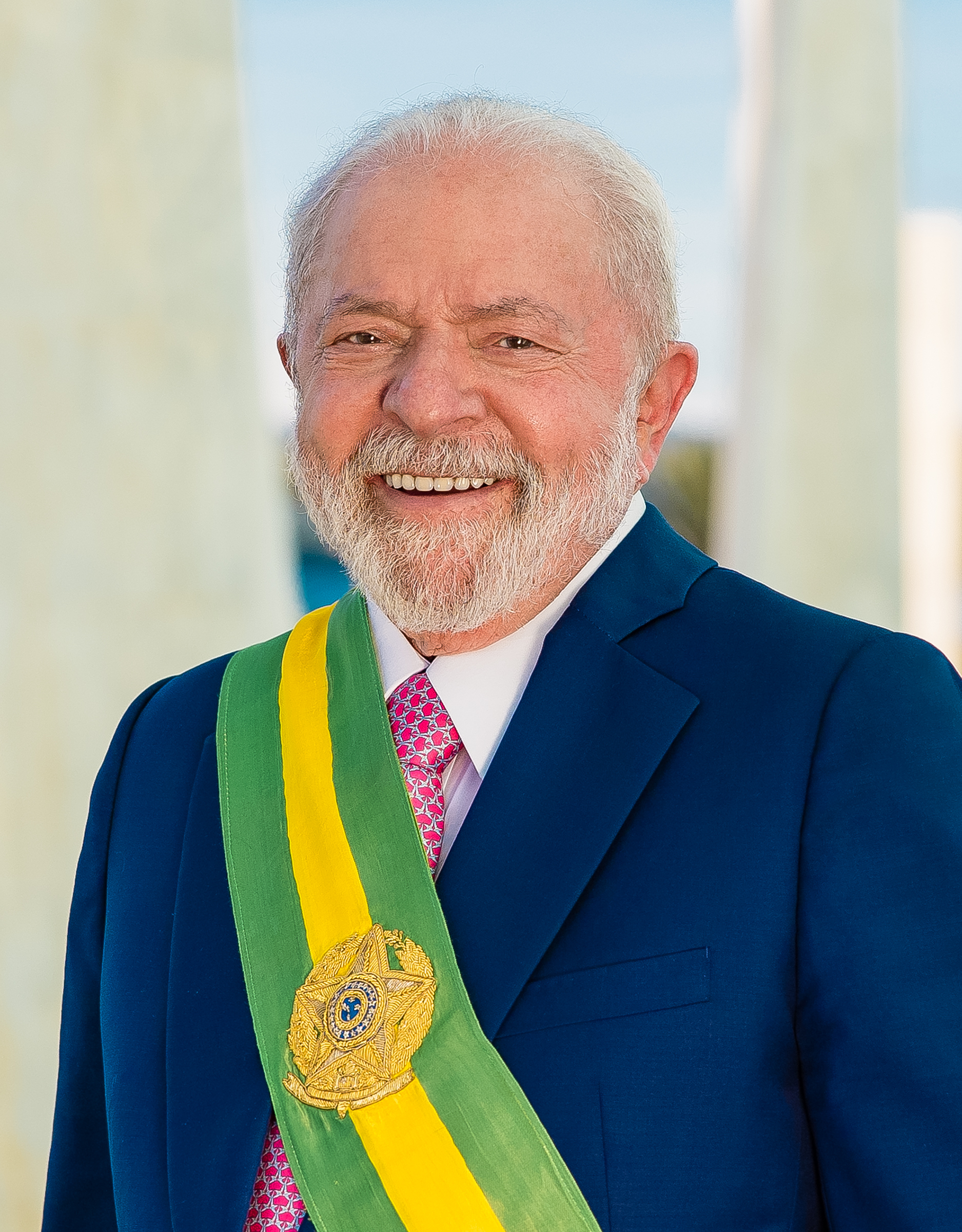
The Brazilian presidential election is going to a runoff between President Luiz Inácio Lula da Silva and Flávio Bolsonaro. Neither candidate won a majority in the first round, resulting in the need for a second round of voting. This outcome sets the stage for a more polarized contest between the two candidates. The first round of voting did not result in a majority win for either candidate, which means the two candidates will have to compete again to determine the winner of the presidency.
The runoff will likely be closely watched, including by Washington, as the two candidates vie for the presidency in a country that has seen significant political divisions. Brazil's presidential election is heading to a runoff between President Luiz Inácio Lula da Silva and his top challenger, Flávio Bolsonaro. Now there are two candidates remaining in the election after the first round failed to produce a winner.
The two candidates will compete in the runoff to determine the winner of the presidency. The runoff will be a more polarized contest than the first round, with the two candidates vying for the support of voters who did not choose them in the initial round. The election is being closely watched, both within Brazil and internationally, due to its potential impact on the country's future and its relationships with other nations.
Evidence lens
2 independent sources supported this briefing.