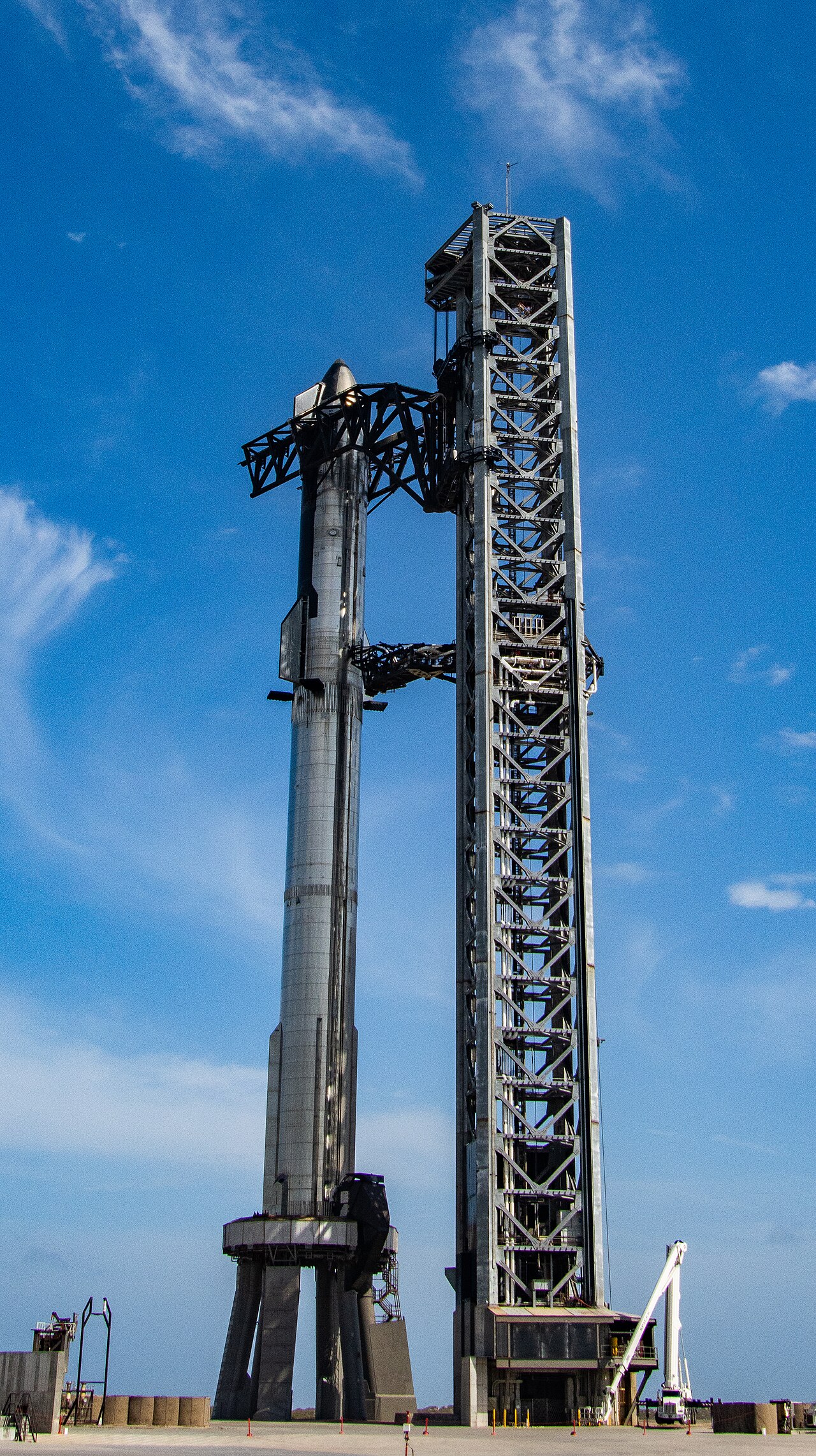
SpaceX's Starship spacecraft was on track to return to its Texas launch site for a planned mid-air catch, after an aborted recovery attempt. The Starship spacecraft had successfully orbited the Earth and deployed 26 satellites, but the Super Heavy booster automatically self-destructed after failing to be caught.
The spacecraft will now carry out a controlled descent, marking the end of its 22-hour flight. According to reports, the booster exploded over the Gulf of Mexico, while the spacecraft continued into orbit, indicating a setback for SpaceX's reusable rocket system.
The launch was an uncrewed mission, and the Starship rocket, which stands at 124 meters tall, had been intended to demonstrate the ability to catch and reuse both stages of the rocket. Despite the failure to recover the booster, the successful deployment of satellites and orbit of the spacecraft suggest that some objectives of the mission were still achieved.
Evidence lens
2 cited sources are linked to this briefing.