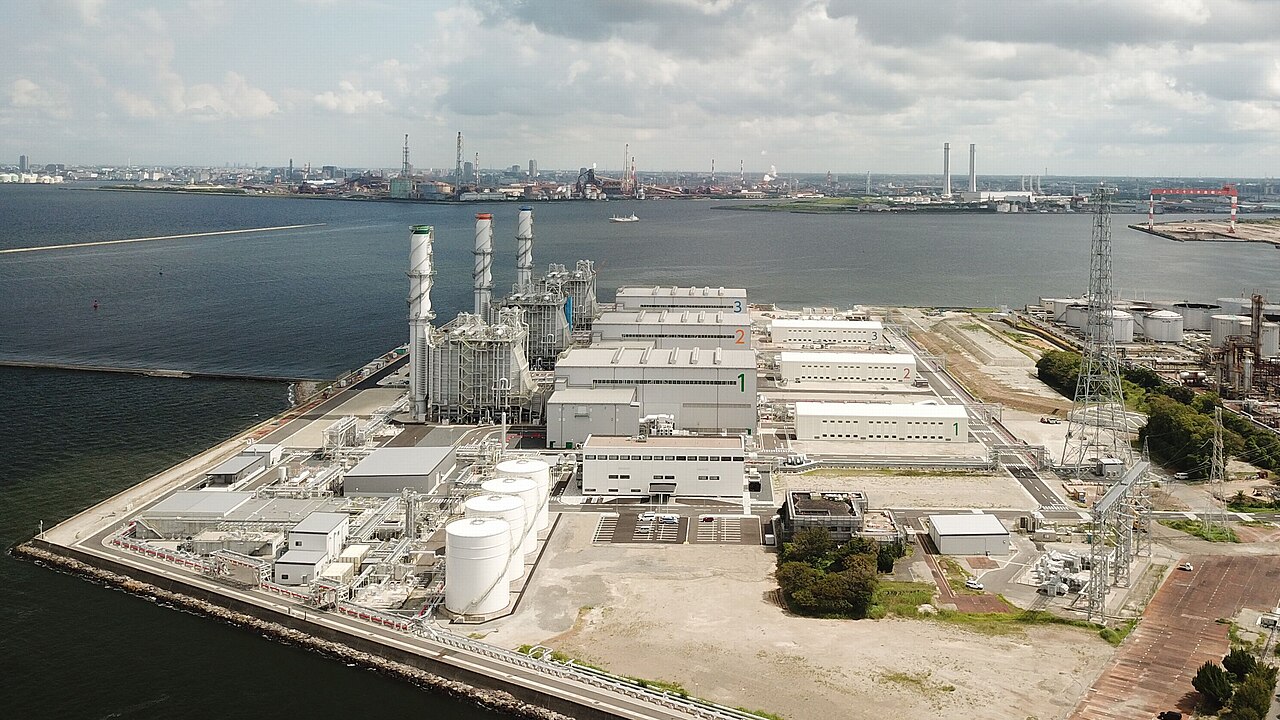
Large AI deployments are increasingly constrained by access to power, cooling and build-out speed as much as by chips. A repeatable model that combines generation capacity with pre-integrated compute could shorten deployment timelines if the Chiba project moves from memorandum to construction.
What happened
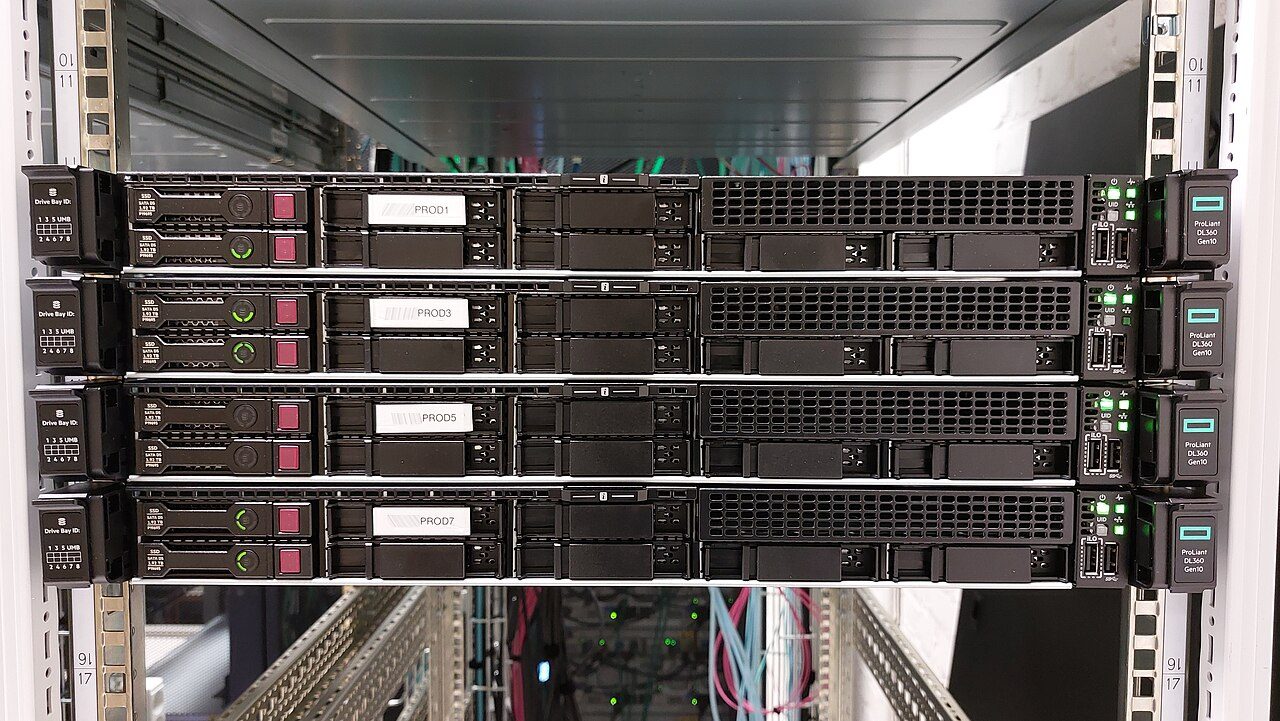
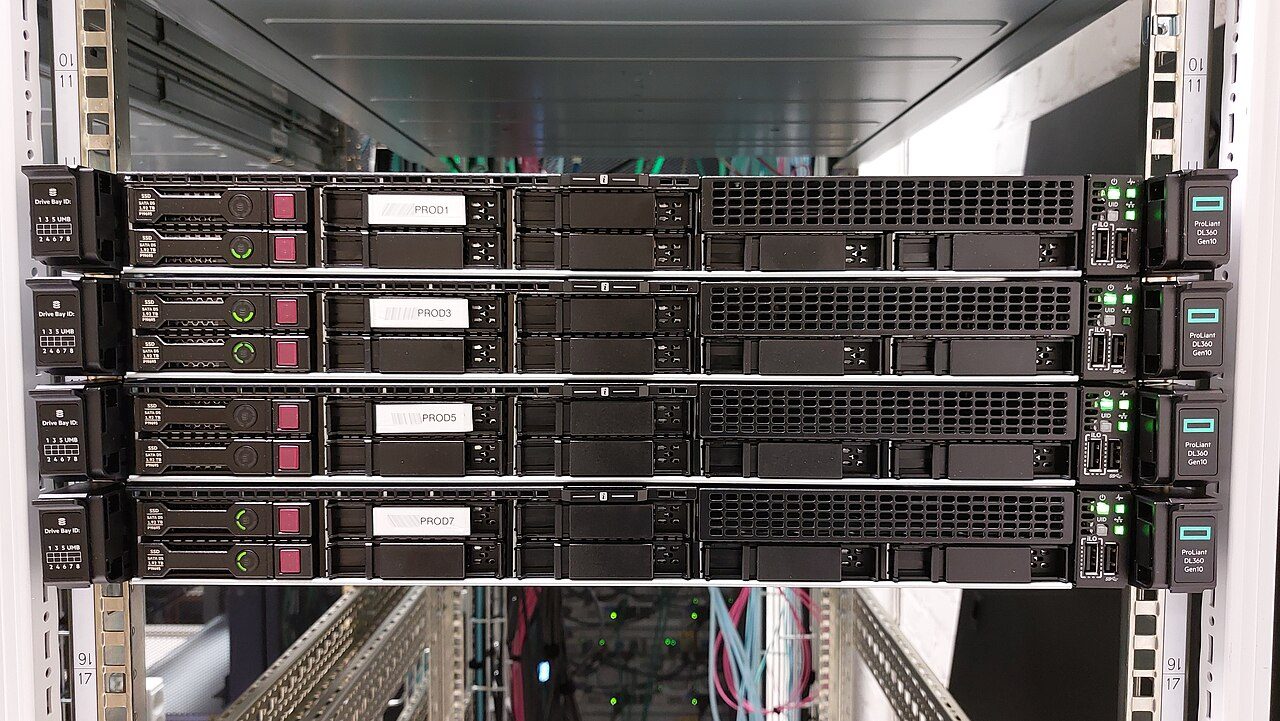
JERA, Dell Technologies and RHAELM announced a memorandum of understanding to create a standardized model for national-scale AI infrastructure in Japan. JERA said the first project is planned at its Chiba Thermal Power Station, supported by up to 400 MW of capacity, with total capital deployment expected to exceed $15 billion across land, power infrastructure, facilities and AI compute. Reuters independently reported the partnership and the planned Chiba development.
Who is affected
Data-center developers, power suppliers, AI infrastructure vendors, cloud and enterprise buyers, and communities hosting large computing projects are the groups most directly exposed to the model and its infrastructure demands.
What comes next
The next evidence is execution: financing, permitting, construction milestones, final compute configuration and whether phased operations begin around the 2028 target. The partners also say they may evaluate similar deployments at other JERA sites.
Every published briefing identifies the sources used and why each source is relevant. Primary sources document first-party claims; independent sources add external reporting or verification.