
Pick your moment
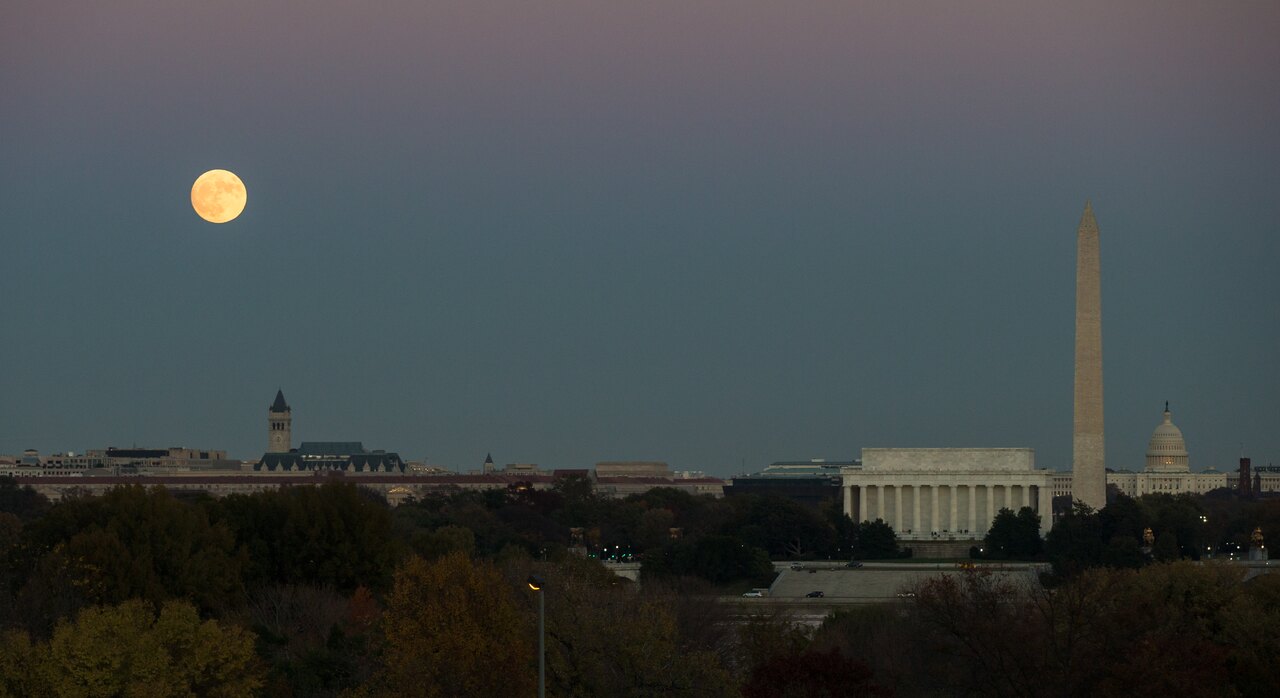
The full phase comes shortly before 15:00 GMT. That is a single moment for the entire planet. In London the Moon will still be below the horizon. The Royal Observatory Greenwich puts moonrise at about 15:18 GMT, so begin with an open view to the east that afternoon, weather permitting.
In New York the Moon rises after 16:00 local time. In Tokyo it will already be above the horizon by the time it reaches its full phase. If the first evening is cloudy, the Moon will still look nearly full on the following evening.
Why the horizon matters
A full Moon occurs near the closest part of its oval orbit this month. The Royal Observatory puts its distance on 24 November at roughly 360,800 kilometres. That shorter distance makes the Moon appear a little larger than an average full Moon.
The impression of a much larger disc just above rooftops is a separate effect, the Moon illusion. Try watching it again later, when it sits higher in an open sky. The distance change alone cannot account for the difference your eyes perceive.
The next two full Moons
NASA identifies November as the first of three successive supermoons. The sequence continues in December 2026 and January 2027.