BMW is testing whether a premium automaker can defend margins through structural simplification and software-led productivity rather than relying only on higher vehicle volumes. The outcome will matter to employees, suppliers and investors across a pressured European auto sector.
What happened
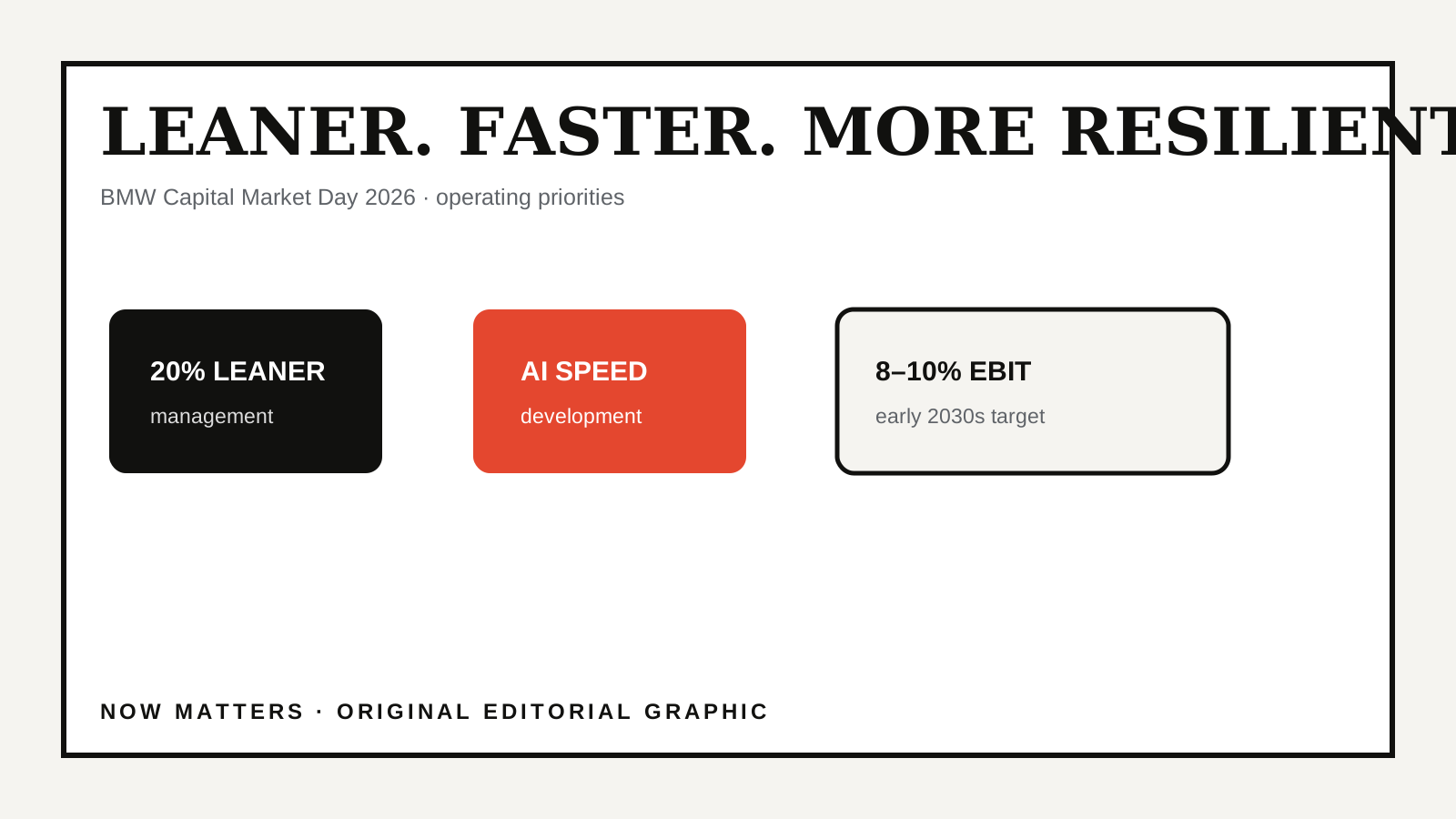
BMW used its 2026 Capital Market Day to outline a plan for greater profitability and resilience. The company says it wants management structures to become 20% leaner, intends to use AI-based innovations to accelerate development, and is targeting an automotive EBIT margin of 8% to 10% by the early 2030s. Reuters reported that the programme also includes management cuts and two new model launches.
Who is affected
BMW employees, suppliers, dealers, investors and competitors are the most directly exposed. Suppliers may see changes in sourcing and regionalisation, while employees face a push for leaner structures and productivity gains.
What comes next
The next evidence is execution: concrete management reductions, cost savings, model-launch performance, China demand and whether automotive margins begin moving toward the stated long-term range.
Every published briefing identifies the sources used and why each source is relevant. Primary sources document first-party claims; independent sources add external reporting or verification.