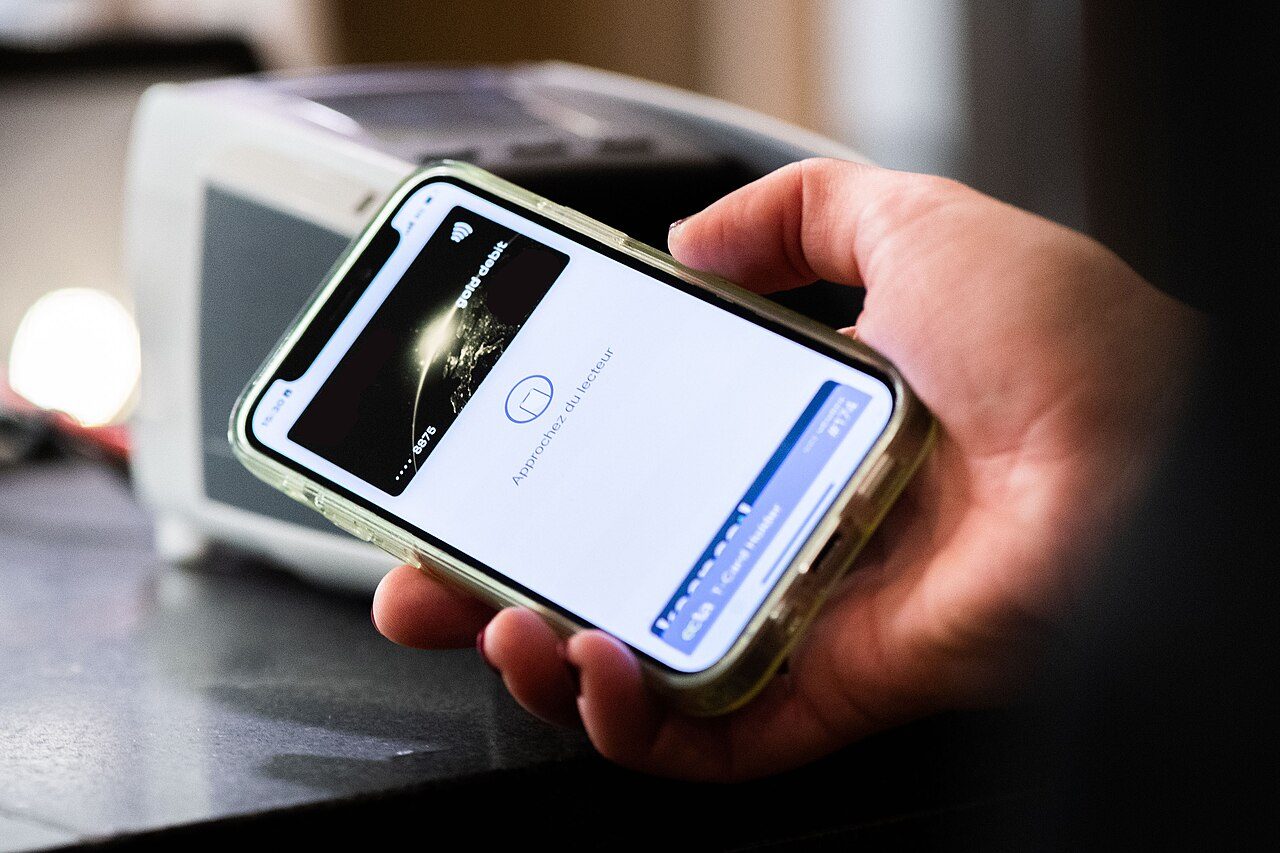
Interoperability can expand the usefulness of domestic payment apps without requiring consumers to switch brands. The practical test is whether the shared layer can move from cross-border person-to-person transfers into ecommerce and point-of-sale payments at meaningful scale.
What happened
Bancomat, Bizum, EPI Company/Wero, SIBS-MB WAY and Vipps MobilePay announced a jointly owned European Network for Payments. Their announcement says the entity will operate and scale interoperability between the existing solutions, beginning with cross-border person-to-person payments before later ecommerce and point-of-sale phases.
Who is affected
Consumers using participating European wallets, merchants, banks and payment service providers are the most direct groups affected. Existing wallet brands and user experiences are intended to remain in place while the systems connect underneath.
What comes next
The next evidence is technical rollout: cross-border availability, participating markets, transaction reliability, merchant acceptance and whether later ecommerce and point-of-sale phases move from roadmap to live use.
Every published briefing identifies the sources used and why each source is relevant. Primary sources document first-party claims; other reporting may add context. Multiple sources do not guarantee that every claim is correct. Read our methodology.